русский
 English
 français
 Deutsch
 italiano
 español
 português
 العربية
 Nederlands
 한국의
한국의 Romania
 Bulgaria
 Melayu

Поскольку мир переходит к более экологичным и устойчивым вариантам, возникает острая необходимость в разработке эффективных решений. Решения для заправки водородных автомобилей. Эксперты в этой области, такие как доктор Эмили Харт из компании Hydrogen Innovations, часто подчеркивают, насколько важно обеспечить работоспособность этих решений — особенно в условиях постоянно растущих глобальных потребностей в энергии. Доктор Харт даже отмечает, что развитие технологий заправки водородом жизненно необходимо для поддержки автомобилей будущего.
Стремление Китая к развитию водородных автомобилей отражает более широкую мировую тенденцию. Они пытаются нарастить инфраструктуру, необходимую для создания большего количества водородных заправочных станций. Однако не всё так просто — существуют некоторые препятствия на пути к бесшовной интеграции этих систем. Надежные и легкодоступные решения для заправки необходимы, если мы всерьез настроены на создание водородных автомобилей. водородные автомобили В мейнстрим. Доктор Харт также отмечает, что, честно говоря, сложность заключается в том, что внедрение всего этого требует тесного сотрудничества между участниками отрасли и правительством. Безусловно, совершенствование технологий — это командная работа.
Чтобы действительно разобраться в решениях для заправки водородом, нам нужно изучить уже существующие решения и подумать о том, что нас ждет в будущем. В настоящее время анализ рынка показывает наличие заметных пробелов в качестве и эффективности обслуживания. Такие компании, как H2Tech, прилагают значительные усилия для внедрения инноваций, но они по-прежнему сталкиваются с проблемами, особенно в отношении стандартизации. Наличие надежных операционных механизмов может значительно продвинуть дело вперед. Выявление слабых мест и их устранение станут ключом к формированию более сильной отрасли в целом. В конечном итоге, сосредоточение внимания на сотрудничестве и развитии технологий — это путь к тому, чтобы сделать решения для заправки водородом автомобилей реальностью в Китае, и, будем надеяться, в других частях мира тоже.
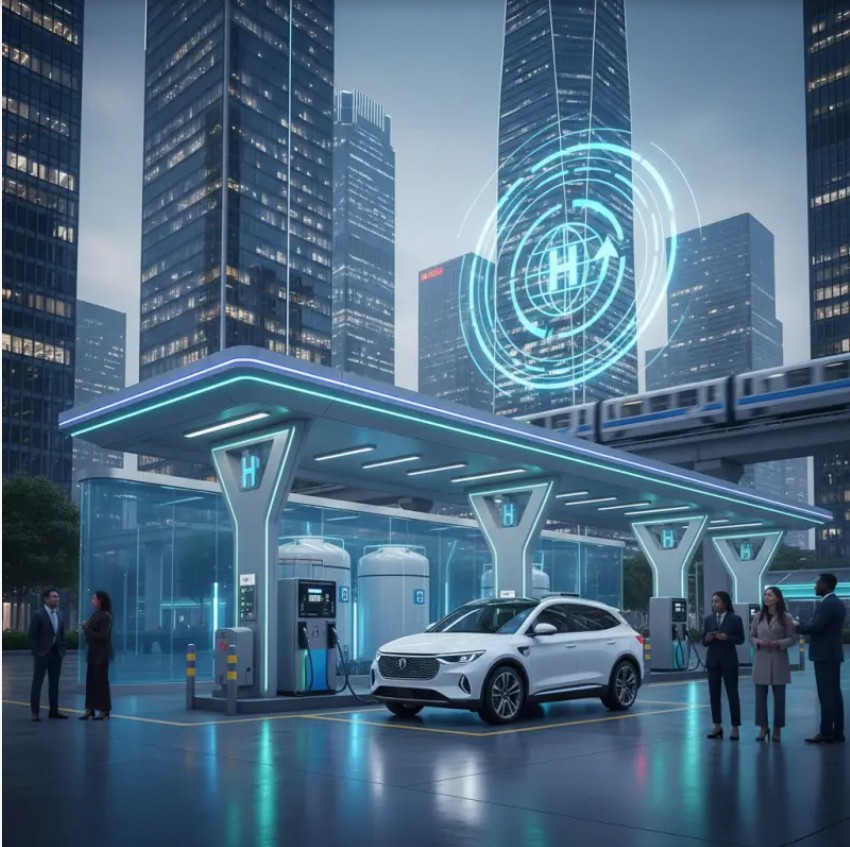
Решения по заправке автомобилей водородом в Китае быстро развиваются. Критически важно уделять внимание инфраструктуре. Стремление страны к сокращению выбросов углекислого газа стимулирует инновации. Города расширяют свои водородные заправочные станции. Это расширение необходимо, но сопряжено с определенными трудностями.
Технология, лежащая в основе решений для заправки, сложна. Безопасность остается одним из главных приоритетов. Она требует строгого соблюдения правил. Операторы должны быть надлежащим образом обучены. Ошибки могут привести к значительным рискам. Постоянная оценка протоколов безопасности имеет важное значение.
Советы: Регулярно оценивайте работу заправочных станций. Используйте отзывы водителей для внесения улучшений. Взаимодействуйте с местными сообществами, чтобы повысить осведомленность о водородном топливе. Укрепление доверия может проложить путь к его принятию. Адаптация к новым технологиям имеет решающее значение, но она также порождает неопределенность. Остается вопрос: как Китай сможет сбалансировать рост и безопасность в этом секторе?
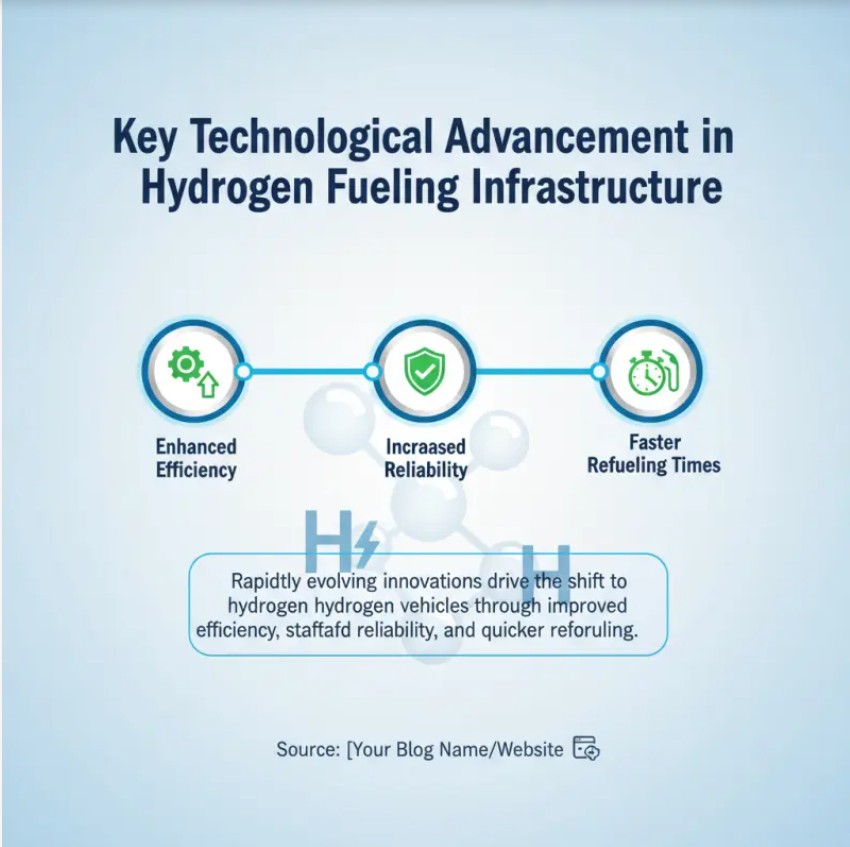 Развитие инфраструктуры водородной заправки происходит стремительными темпами. Инновации в этой области направлены на повышение эффективности и надежности. Новые технологии позволяют сократить время заправки. Эти достижения имеют решающее значение по мере перехода к водородным транспортным средствам.
Последние тенденции показывают рост числа модульных заправочных станций. Эти станции обеспечивают гибкость и могут масштабироваться в соответствии со спросом. Они разработаны для городских условий, что делает водород более доступным. Однако остаются проблемы, связанные с обеспечением безопасности и интеграцией с существующими системами.
Еще одно направление, на котором следует сосредоточиться, — использование возобновляемых источников энергии. Они играют решающую роль в производстве водорода. Хотя этот переход и многообещающий, он сталкивается с препятствиями. Современные методы часто основаны на ископаемом топливе, что подрывает цели устойчивого развития. Для решения этих проблем необходимо сотрудничество между заинтересованными сторонами. Только совместными усилиями мы сможем создать надежную сеть водородных заправочных станций.
Рынок услуг по заправке водородом сталкивается с уникальными проблемами и захватывающими возможностями. По мере роста спроса на водородные автомобили возрастает и потребность в эффективных решениях для заправки. Во многих регионах возникают проблемы с развитием инфраструктуры. Нехватка заправочных станций ограничивает внедрение водородных автомобилей.
Стоимость остается существенным препятствием. Создание сети водородных заправочных станций требует значительных инвестиций. Это может отпугнуть потенциальных участников рынка. Кроме того, необходимо решить вопросы безопасности. Водород легковоспламеняем, а его хранение и транспортировка требуют строгого соблюдения стандартов безопасности.
В то же время открываются огромные возможности. Правительства начинают осознавать потенциал водорода. Их поддержка может привести к финансированию и стимулированию развития. Сотрудничество между государственным и частным секторами может ускорить рост. Инновации в технологиях также могут повысить эффективность заправки. Постоянное совершенствование имеет важное значение для долгосрочной жизнеспособности. Изучение партнерских отношений и новых технологий может проложить путь к более устойчивой системе услуг по заправке водородом.
Нормативно-правовая база, влияющая на услуги водородных транспортных средств в Китае, сложна, но крайне важна. По мере того, как правительство продвигает экологически чистую энергию, нормативные акты развиваются. Эти правила могут либо поддерживать, либо препятствовать росту рынка. Например, недавние политические решения касаются стандартов безопасности для водородных заправочных станций. Найти баланс между инновациями и безопасностью — непростая задача.
Соблюдение нормативных требований часто требует значительных инвестиций. Компаниям необходимо быстро адаптироваться, иначе они рискуют отстать. Некоторым организациям сложно одновременно соблюдать протоколы безопасности и стремиться к прогрессу. Множество нормативных актов может привести к путанице среди заинтересованных сторон. От того, как это повлияет на ситуацию, может зависеть успех водородных автомобилей в Китае.
Инвесторы опасаются рисков, связанных с этими правилами. Неопределенность может замедлить инвестиции в важнейшую инфраструктуру. Кроме того, различные местные правила усугубляют эту сложность. Компаниям может быть трудно ориентироваться в этих различиях. Ситуация меняется, но она представляет собой сочетание возможностей и препятствий. Дальнейший путь потребует усердия и тщательной стратегии.
Китай добился значительных успехов в развитии водородных заправочных станций, демонстрируя инновационные решения в секторе водородных автомобилей. Несколько успешных примеров иллюстрируют эффективные стратегии и передовые методы. Например, одна из станций в Пекине работает на возобновляемых источниках энергии, производя водород из солнечной энергии. Эти инвестиции отражают растущую тенденцию к использованию экологически чистых энергетических решений. Хорошо спроектированные заправочные станции не только обеспечивают эффективность, но и ставят во главу угла безопасность и удобство для пользователей.
Советы тем, кто рассматривает варианты заправки водородом: обеспечьте наличие строгих протоколов безопасности. Кроме того, вовлечение местных сообществ может повысить принятие водородных технологий. Эффективная коммуникация о преимуществах водородных технологий способствует поддержке таких инициатив. Важным моментом является необходимость стандартизации заправочного оборудования. Это уменьшает путаницу среди пользователей и повышает надежность.
Еще один пример — станция в Шанхае, где используются передовые технологии для быстрой заправки. Пользователи могут заправиться за считанные минуты, как и на традиционных заправочных станциях. Такие технологии необходимы для развития водородных автомобилей, однако инвестиции в инфраструктуру сопряжены с трудностями. Переосмысление моделей финансирования и партнерств имеет решающее значение для поддержания роста в этом секторе.
Будущее решений для заправки водородных автомобилей ожидает значительная трансформация к 2026 году. Поскольку страны стремятся к углеродной нейтральности, инвестиции в водородную инфраструктуру растут. Этот сдвиг открывает новые возможности, но и создает проблемы. Многие заправочные станции испытывают трудности с интеграцией технологий и повышением эффективности. Сотрудничество между заинтересованными сторонами будет иметь решающее значение для преодоления этих препятствий.
Кроме того, удобство использования остается в центре внимания. Потребителям необходимы доступные водородные заправочные станции. Эффективная сеть имеет решающее значение для внедрения. При проектировании заправочных станций следует отдавать приоритет удобству и безопасности. Будущие инновации могут привести к оптимизации процессов, но опасения по поводу масштабируемости сохраняются. Многие станции не приспособлены к растущему спросу. Для решения этих проблем потребуется надежная стратегия.
Темпы внедрения водородных автомобилей могут расти, однако крайне важно просвещать потребителей. Сохраняются ошибочные представления о безопасности водорода. Просвещение общественности укрепит доверие. Постоянное совершенствование технологии топливных элементов будет играть ключевую роль в разработке решений для заправки. Мониторинг достижений поможет обеспечить надежность и производительность по мере развития отрасли. Для преодоления сложностей этого растущего рынка потребуется проактивный подход.
Переход к автомобилям на водородном топливе набирает обороты. В 2023 году мировые продажи водородных автомобилей выросли на 25%, достигнув примерно 35 000 единиц. Этот рост подчеркивает растущий интерес и принятие водородных технологий потребителями. Аналитики рынка сообщают, что к 2026 году водородные автомобили могут составлять 10% от общего объема продаж новых автомобилей в отдельных регионах. Эта тенденция обусловлена растущим осознанием экологических проблем и стремлением к устойчивым транспортным решениям.
Однако проблемы остаются. Инфраструктура для водородных заправочных станций все еще находится в стадии развития. В настоящее время в мире насчитывается всего около 2000 таких станций, большинство из которых расположены в Европе и Японии. Ограниченная доступность может отпугивать потенциальных покупателей, влияя на внедрение водородных автомобилей. Хотя потребители проявляют интерес к водородным транспортным средствам, сохраняются опасения по поводу доступности заправки. Опросы показывают, что 70% респондентов отдают приоритет удобству заправки перед другими факторами.
Просвещение потребителей имеет решающее значение. Многие потенциальные покупатели не осведомлены о преимуществах водорода, таких как снижение выбросов и экологическая устойчивость. Усилия по повышению осведомленности и улучшению восприятия могут способствовать внедрению. Эксперты отрасли подчеркивают необходимость надежных данных и более эффективной коммуникации для устранения заблуждений. Путь вперед может быть сложным, но при правильной стратегии потребительское внедрение автомобилей на водородном топливе может значительно вырасти.
В статье рассматривается меняющаяся ситуация на рынке решений для заправки водородных автомобилей в Китае, освещаются значительные технологические достижения, которые улучшают инфраструктуру, необходимую для этих инициатив. В ней анализируются проблемы и возможности, существующие на рынке услуг по заправке водородом, и подчеркивается важность благоприятной нормативно-правовой базы для содействия росту.
На основе анализа успешных примеров водородных заправочных станций в статье показаны практические применения и выводы, которые могут послужить ориентиром для дальнейшего развития. Кроме того, в ней рассматриваются тенденции потребительского спроса и прогнозируются будущие направления развития водородных заправочных решений к 2026 году. Этот всесторонний обзор указывает на значительный потенциал водородных автомобилей в Китае, обусловленный инновациями и растущим общественным интересом.
Какое влияние оказывают нормативные акты на сферу применения водородных транспортных средств в Китае?
Нормативно-правовое регулирование может как способствовать, так и препятствовать росту рынка, влияя на инновации и безопасность.
Как компании реагируют на меняющиеся нормативные требования?
Для соблюдения требований компаниям необходимо вкладывать значительные средства, иначе они рискуют отстать, поэтому адаптивность имеет решающее значение.
С какими проблемами сталкиваются автозаправочные станции при использовании современных технологий?
Многие станции сталкиваются с трудностями в интеграции технологий и обеспечении общей эффективности своей работы.
Почему сотрудничество между заинтересованными сторонами важно?
Сотрудничество имеет решающее значение для преодоления препятствий в интеграции технологий и улучшения пользовательского опыта.
Какова роль просвещения потребителей в распространении водородных автомобилей?
Просвещение потребителей помогает развеять заблуждения о безопасности водорода, укрепляя доверие на рынке.
Как вариативность местного регулирования влияет на компании?
Различия в местных правилах могут вводить в заблуждение заинтересованные стороны и затруднять соблюдение требований для компаний.
Что следует учитывать в первую очередь при проектировании заправочных станций?
Автозаправочные станции должны уделять первостепенное внимание удобству, безопасности и доступности, чтобы обеспечить комфортное обслуживание пользователей.
Какие существуют опасения относительно масштабируемости водородных заправочных станций?
Многие станции не оборудованы для удовлетворения растущего спроса, что вызывает вопросы о возможности масштабирования в будущем.
Как инвесторы могут снизить риски в водородной инфраструктуре?
Тщательность и продуманная стратегия имеют решающее значение для ориентации в неопределенной нормативно-правовой среде.
Что является определяющим фактором для будущего решений в области заправки водородных автомобилей?
Для достижения успеха необходимы постоянное совершенствование технологий топливных элементов и заблаговременное планирование.



 IPv6 ПОДДЕРЖИВАЕМАЯ СЕТЬ